Design Insights August 11, 2026
By Zaina Rafique
A brand can be seen everywhere and still fail to stay with people.
It can run ads, print banners, create booths, launch campaigns, and appear on social feeds with announcements. People may notice it for a moment, then move on because nothing about the brand gave them a reason to connect.
That is where brand activation becomes important.
Brand activation is the process of bringing a brand into real interaction with people. Salesforce describes it as "generating consumer action through immersive experiences that bring a company's identity into the real world."
The idea is simple. A brand cannot only say who it is. It has to create moments where people can understand it and use it.
When Visibility is Not Enough
Visibility can introduce a brand, but activation makes the introduction meaningful.
A person may see a logo on a hoarding, but they understand the brand better when they walk into a pop-up, hold the packaging, attend an event, try the product, or interact with a space built around the brand's idea.
Good activation gives the brand a role in someone's day, even if the interaction is brief.
What brand activation really means
Brand activation is the bridge between brand strategy and public experience.
It takes the brand's positioning, message, visual identity, and promise, then turns them into something people can interact with. That could be an event, a retail display, a packaging moment, a product trial, a campaign space, a launch experience, or a community interaction.
The goal is to move people from awareness to response.
That response can look different depending on the brand. Someone may try the product, scan a code, attend a session, share the experience, sign up, ask a question, or simply remember the brand with more clarity than before.
The Four Things Activation Needs to Do Well
A strong brand activation usually has four jobs.
It needs to create awareness, so people notice the brand in the first place.
It needs to communicate clearly so people understand the message without effort.
It needs to build engagement, so the audience participates instead of observing.
It also needs to shape an experience that feels connected to the brand's promise.
Where Design Turns the Idea into Experience
Design gives brand activation its visible and usable form.
Visual identity is the first layer. The logo, colour system, typography, illustration style, motion language, and layout decide how the activation is recognized. If the visual system is inconsistent, the experience begins to feel scattered.
Environmental design shapes how people move through the brand. A pop-up space, event booth, retail setup, exhibition corner, or launch venue needs more than decoration. It needs flow, hierarchy, signage, lighting, material choices, and moments that guide people naturally.
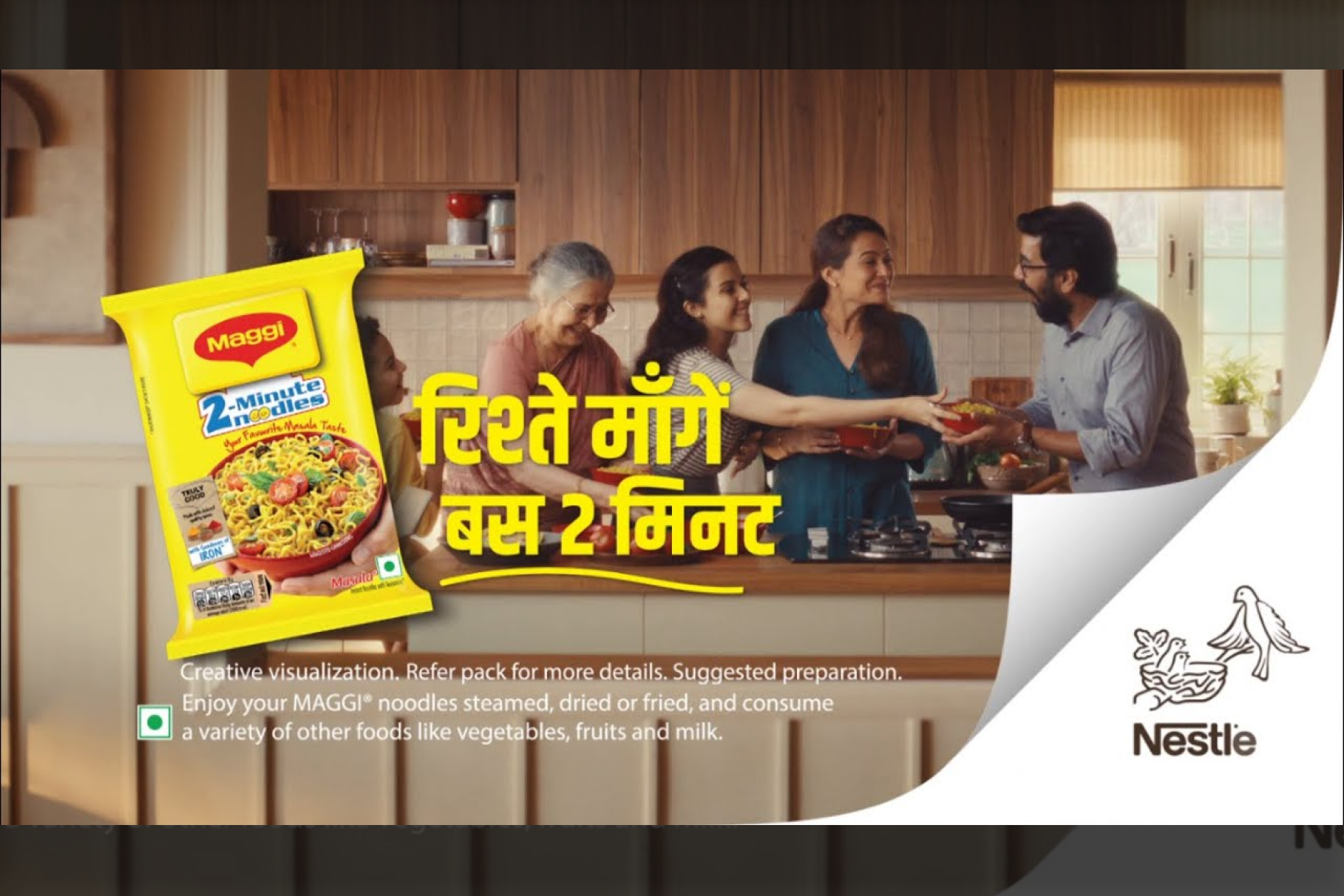
Packaging and product design carry the activation into someone's hands. The pack tells people what to notice first, what to trust, what to pick up, and what to remember later. In many categories, packaging becomes the most repeated brand interaction after the campaign ends.
Product design matters because activation should not create interest that the product cannot support. If the experience builds excitement, the product has to carry that promise with clarity and ease.
Why Activation Needs a Brand System
A clear brand system keeps the activation consistent without making it feel rigid. It helps the team decide what the brand should look like, how it should sound, what it should make people feel, and how every touchpoint should behave.
This is especially important when activation moves across formats. The same brand may appear through a social campaign, a physical space, product packaging, an event invite, a stage backdrop, and a follow-up message. Each piece should feel connected to the same thinking.
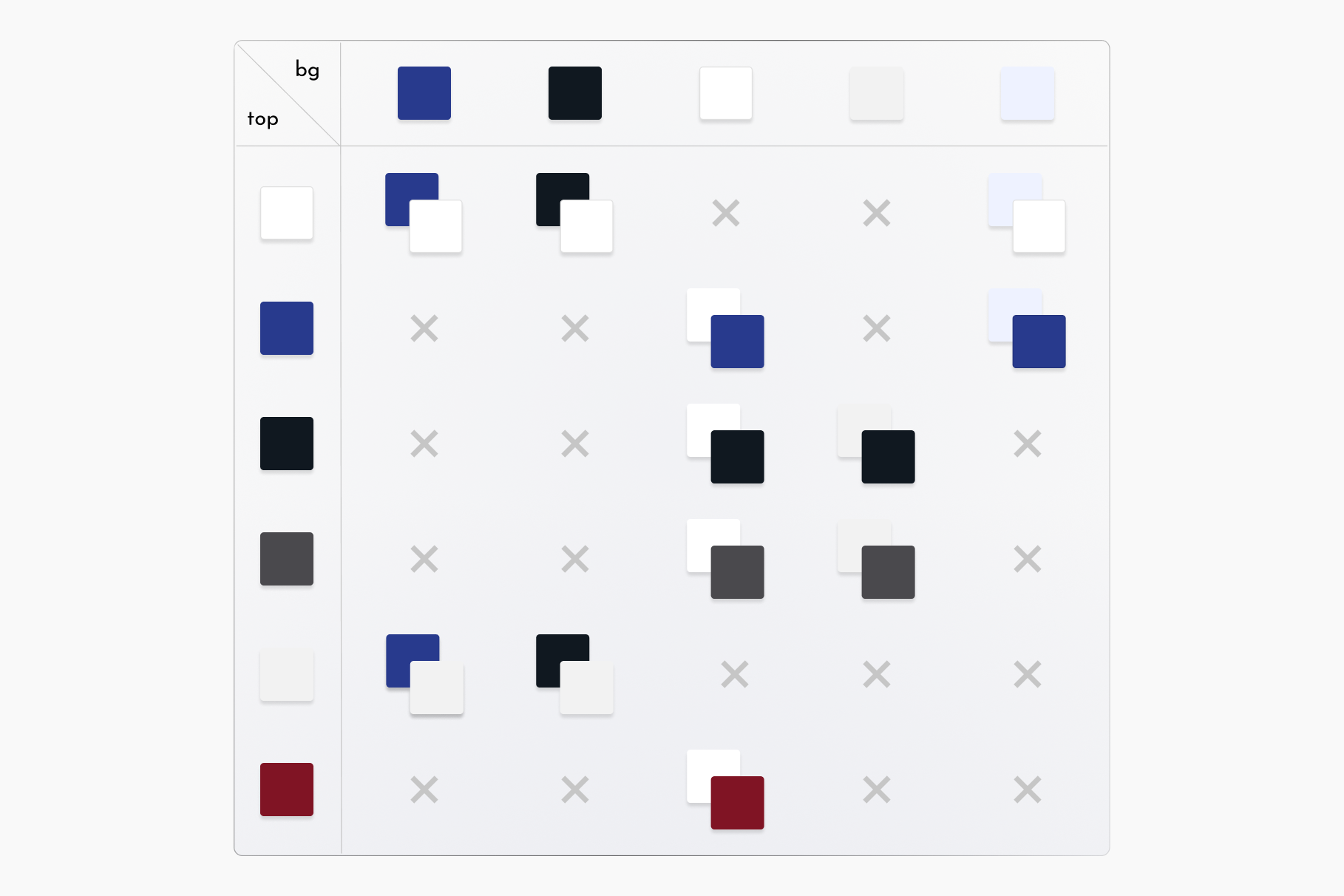
That connection is where brand recall starts becoming stronger.
SandCup's Approach to Brand Activation
At SandCup, we see brand activation as the point where a brand has to prove its meaning in public.
It begins with understanding what the brand stands for, who it is speaking to, what action it wants to create, and what memory it wants people to carry back.
Design then becomes the way that thinking is made visible. A good activation does not end when the event is over, or the campaign is seen. It stays in the way people recall the brand, talk about it, and recognise it the next time they meet it.
That is where design does its deeper work. It turns a brand moment into brand memory!
Be a part of our world and gain more insights on design and innovation!