Design Insights January 13, 2026
By Zaina Rafique
Design surely goes beyond screens. It is not limited to the interfaces we create but also the thinking, research, and approach that goes behind creating end-to-end design solutions that actually create an impact.
Therefore, the most impactful designers are deep thinkers, careful listeners, and lifelong learners; observing challenges and gaps around them. The following books are not “design books” in the conventional sense. Instead, they shape how designers observe the world and make decisions.
1) Show Your Work by Austin Kleon
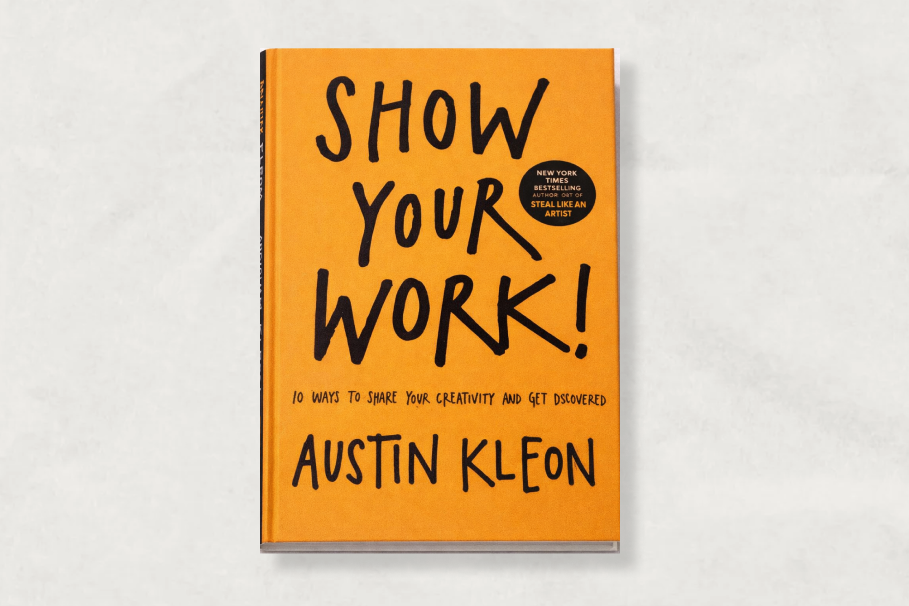
Design trends often celebrate finished outcomes while hiding the messy reality behind them. This book challenges this mindset by encouraging creatives to share their process openly: sketches, failures, experiments, and learning moments.
For designers, this design process transparency builds credibility and trust. Sharing it invites feedback and learning which are core elements of strong design practice.
Key Takeaway: More than what you deliver; design is how you think, rethink, work, and evolve transparently.
Get the book2) Steal Like an Artist by Austin Kleon
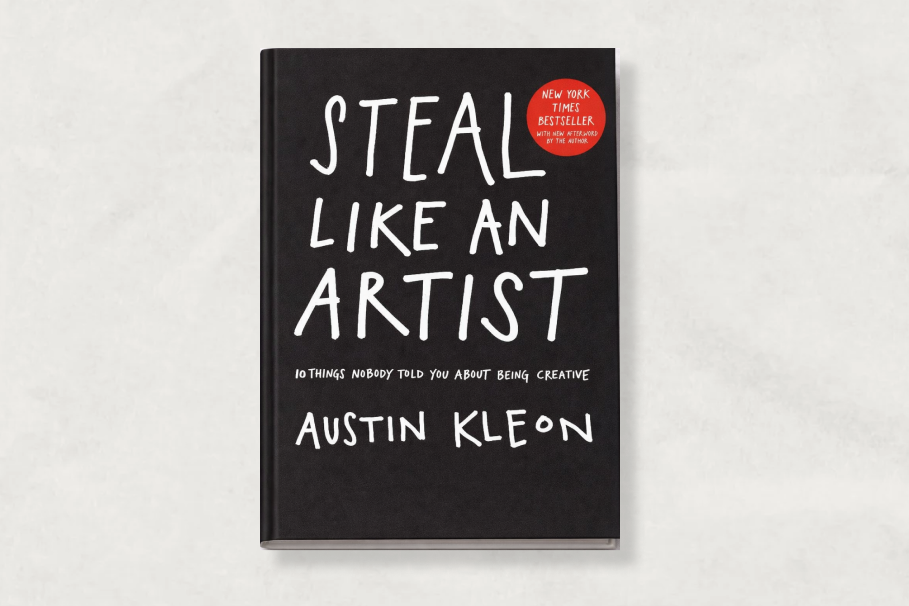
Another masterpiece by Kleon in which he argues that creativity comes from inspiration. He takes on the Aristotlean notion that originality is often misunderstood as creating something from nothing. It’s collecting influences, studying what already exists, and remixing ideas into something new and purposeful.
Designers are constantly inspired by technologies and cultures. This book removes the guilt from influence and replaces it with responsibility. Understand your sources and transform them into something unique.
Key Takeaway: Innovation emerges from thoughtful remixing, not isolated genius.
Get the book3) The Art of Strategy by Avinash K. Dixit & Barry J. Nalebuff
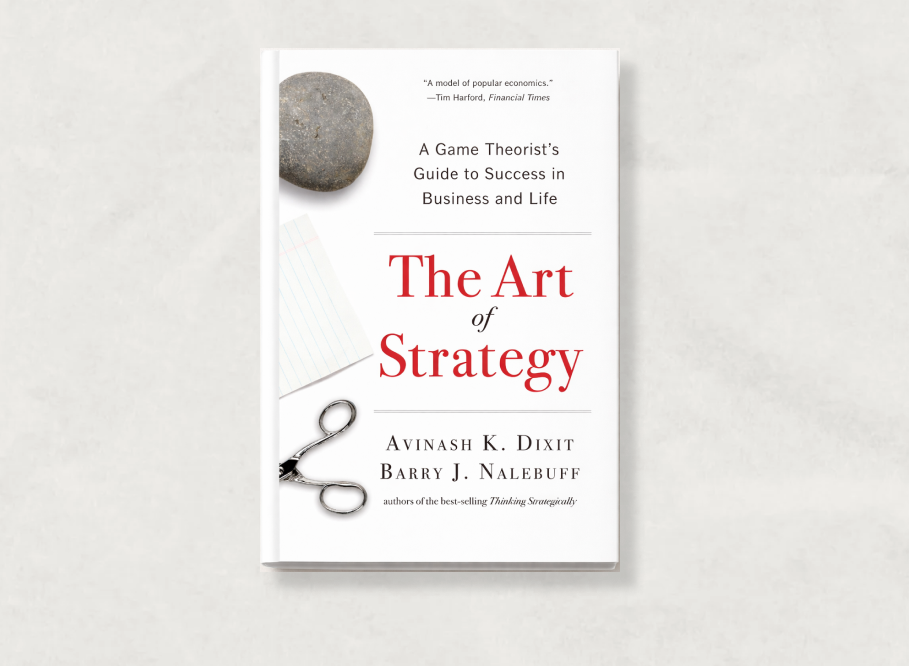
Design decisions have real business consequences because they shape incentives, expectations, and perceived value. This book explores how strategy, pricing, and positioning influence outcomes in competitive business environments.
For designers, it builds the ability to anticipate behavior, reactions, and long-term impact. It learns from previous feedback and adapts its behavior accordingly. Most importantly, it aligns its output with the user’s real-time purpose.
Key Takeaway: Good design is a strategic choice that directly impacts brand value
Get the book4) To Kill a Mockingbird by Harper Lee
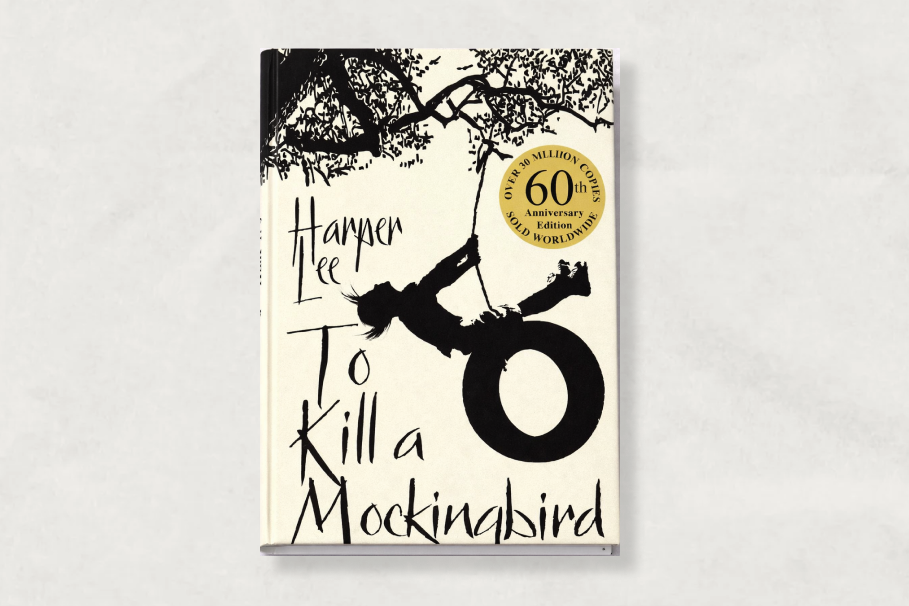
At its heart, design is an ethical act. Every choice includes some people and excludes others. Harper Lee’s novel teaches empathy, moral courage, and the importance of standing up for fairness—even when it is uncomfortable.
Designers often influence behavior, opinion, and access. This book strengthens the moral compass required to design responsibly, reminding us that understanding another person’s perspective is not optional—it is essential.
Key Takeaway: Empathy is not a soft skill; it is a moral responsibility.
Get the book5) Sapiens: A Brief History of Humankind by Yuval Noah Harari
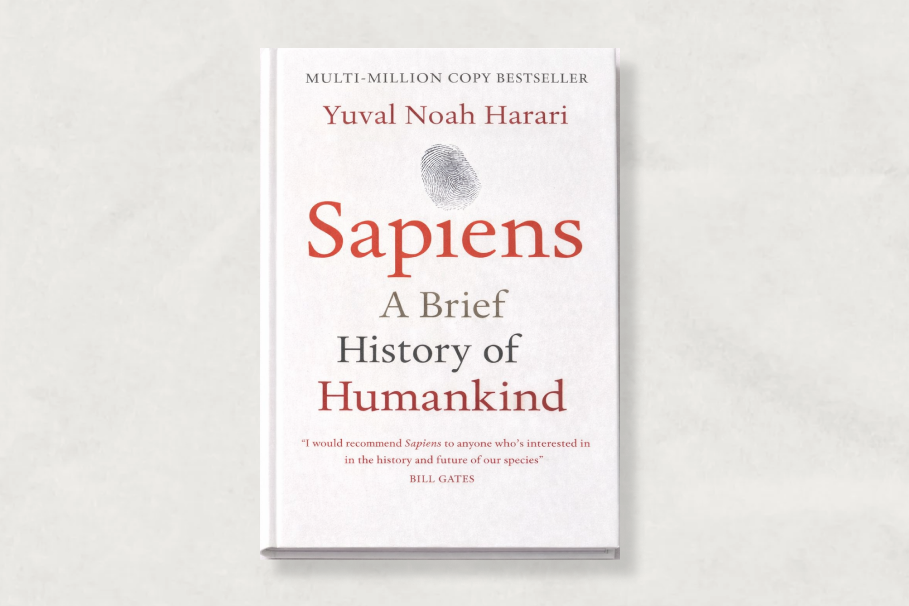
A constant favorite for non-fiction readers, Harari’s book mentions how humans have cooperated at massive scales through shared myths of money, brands, nations, and laws. These abstract systems exist because people collectively believe in them.
Designers actively shape these belief systems. Whether designing a product interface or a brand identity, designers help turn abstract ideas into tangible experiences.
Key Takeaway: Design operates within stories that allow societies and systems to function.
Get the book6) How to Win Friends & Influence People by Dale Carnegie
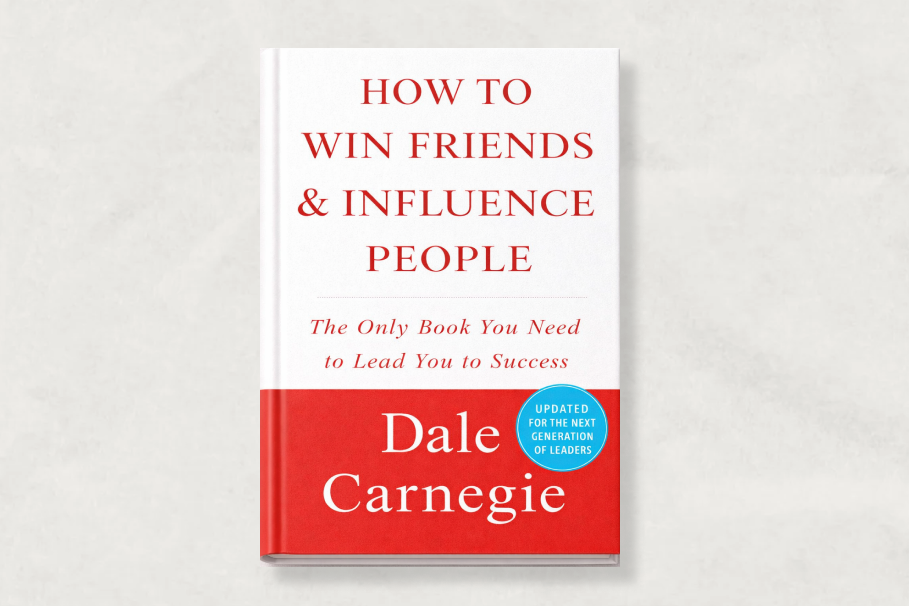
Despite being written a long time ago, this book remains deeply relevant. It emphasizes listening, avoiding unnecessary criticism, and offering sincere appreciation.
Design is collaborative by nature. Whether working with clients, developers, users, or teams, designers succeed when they understand people. Strong relationships often determine whether good ideas survive.
Key Takeaway: Good design builds and human empathy and connection.
Get the book7) Invisible Cities by Italo Calvino
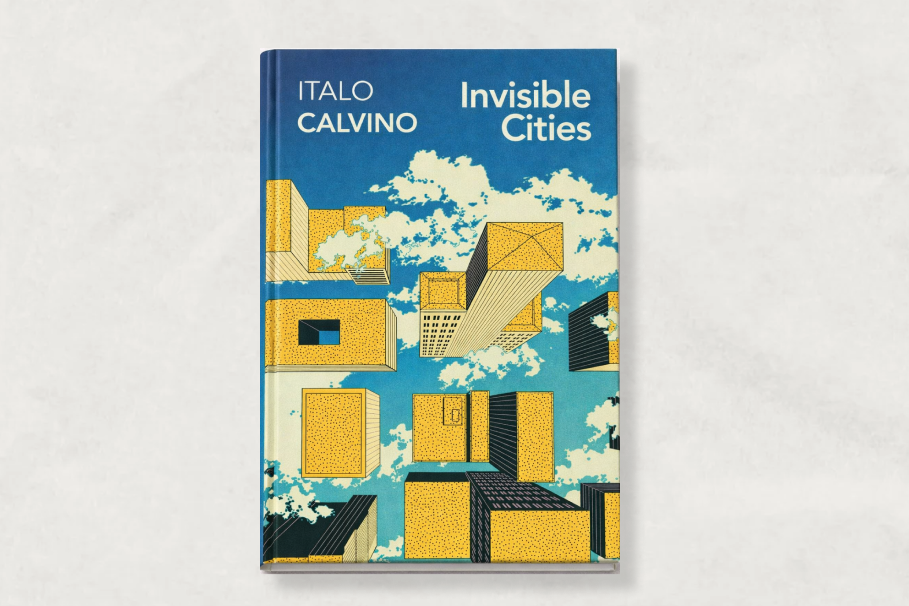
This poetic book describes imaginary cities, each reflecting different aspects of memory, desire, time, and structure. The same city can be understood in countless ways depending on perspective.
For designers, this focuses on the idea that systems are layered and subjective. A product or city is never experienced the same way by everyone.
Key Takeaway: Perspective changes meaning and meaning shapes user experience.
Get the book8) Atomic Habits by James Clear

Creative excellence is rarely the result of sudden breakthroughs. Instead, it comes from consistent systems: daily reviews, regular feedback, and iterative improvement.
This book shifts focus from goals to habits. For designers, this means building sustainable practices rather than chasing inspiration.
Key Takeaway: Design builds sustainable systems through small, deliberate steps.
Get the book9) Metaphors We Live By by George Lakoff & Mark Johnson
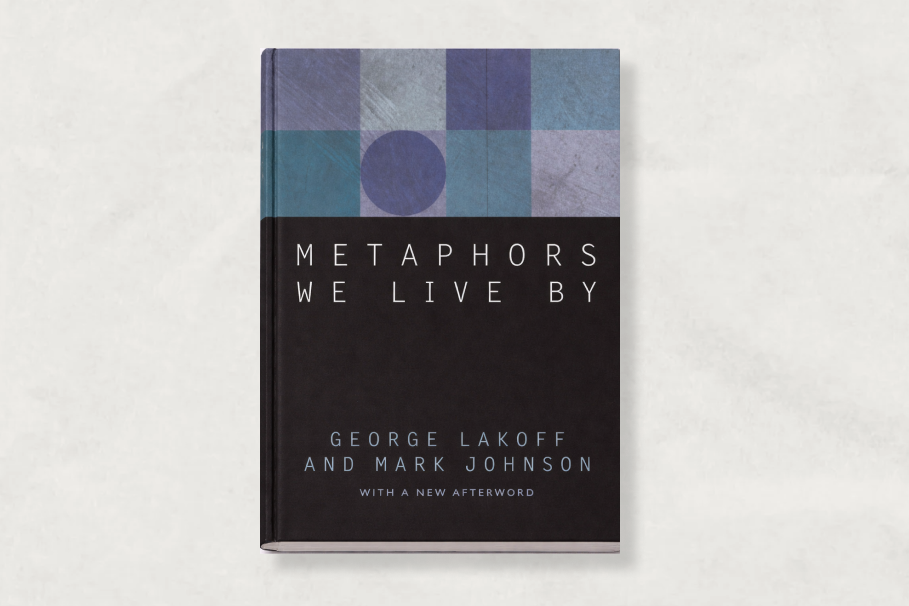
The words we use affect how people understand things. When we explain ideas using familiar metaphors, they become easier to grasp. Designers often do this by talking about things like a “journey,” a “structure,” or a “flow.”
Using the right metaphors helps people understand products naturally, without needing instructions.
Key Takeaway: If something feels easy to use, it’s often because it’s explained using a familiar idea.
Get the book10) On Dialogue by David Bohm
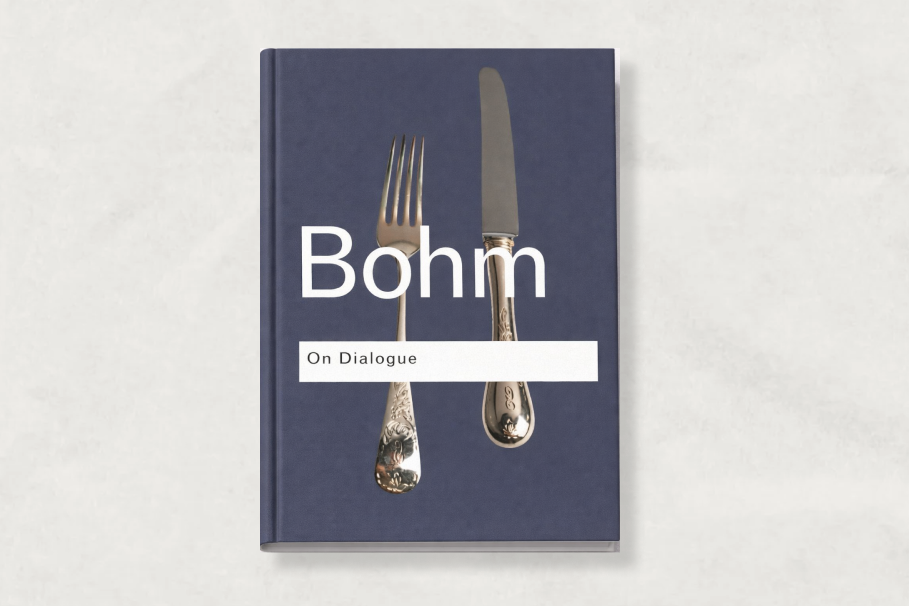
David Bohm explains that dialogue is about thinking together, not arguing. When people listen without judgment, better ideas can emerge.
Design works best when teams focus on listening and learning from each other. This book shows how curiosity and open conversation help everyone create smarter solutions together.
Key Takeaway: Better ideas come from listening.
Get the bookSandcup’s Take on Non-Design Ideas
Designers surely have a role in shaping behavior, belief, and culture. These books expand the designer’s role from problem-solver to thoughtful participants in society.
Reading them is about deepening awareness of people, systems, language, and responsibility.