Design Insights April 20, 2026
By Zaina Rafique
We trust AI because it feels neutral. It doesn’t have an agenda. It just reads the data, runs the numbers, and gives you an answer. Clean. Objective. Reliable.
But what happens when the people building that AI do have an agenda favouring only themselves?
For us at SandCup, the question moved from being hypothetical to very valid the moment Anthropic was reported by Reuters as being in discussion with Trump administration. Their system, Mythos, is a cybersecurity tool designed to detect serious software vulnerabilities at scale, the kind that can bring down hospitals, power grids, or financial systems.
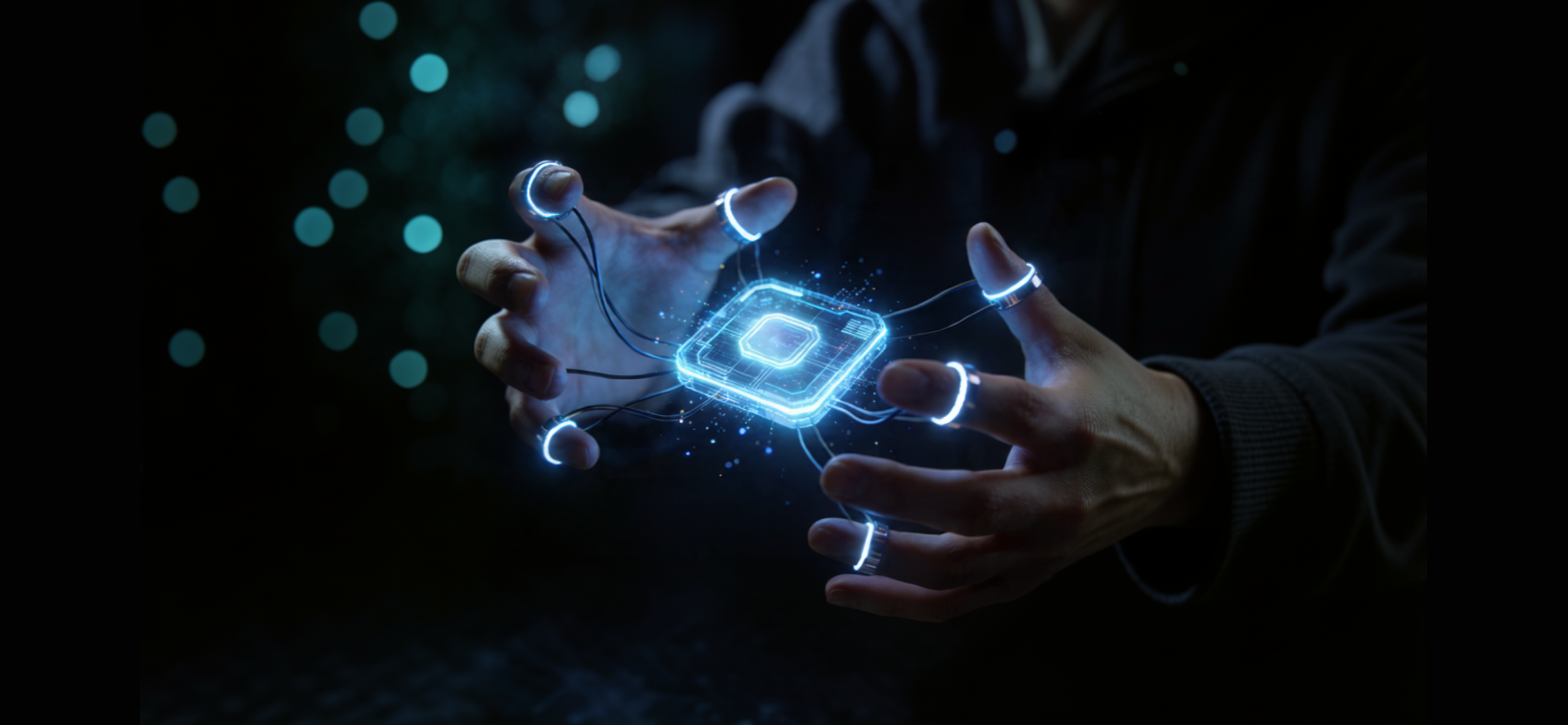
Experts have warned that systems like Mythos could uncover vulnerabilities faster than they can be fixed. In India, this raises concerns for MSMEs and sectors like banking and telecom that still operate on legacy systems, increasing their exposure to risk.
Think about what that means for a second.
An AI system powerful enough to identify cracks in critical national infrastructure is now being shaped, tested, and potentially deployed within a specific political environment. With its own priorities, pressures, and agendas!
So, when we say AI is neutral, whose version of neutral are we actually talking about?
When AI Starts Carrying More Than Information
A powerful AI model doesn’t just generate text, write code, or surface insights. Over time, it starts carrying something else too: assumptions.
Assumptions over what’s important, what to avoid, what to frame carefully, and what to present as simply normal. More often, these come from the environment and the context the system was built in.
And that’s exactly why neutrality becomes harder to take for granted when AI is being developed inside specific political, legal, and national systems.
And it’s necessary that we raise these concerns, because AI is no longer staying local. It’s being used everywhere!
A Global Tool Can Still Have Local Footprints
AI feels global. Open a browser, ask a question, and get an answer. It doesn’t feel like it belongs to anyone.
A system built inside one region’s laws, pressures, and strategic priorities may go on to influence users across the world. On the surface, it looks universal. But underneath, it can still carry the logic of who created it and why, without a disclaimer.
The more rapid AI tools are advancing, the harder it becomes to assume they’ll remain untouched by power.
The Bigger Risk Isn’t Bias. It’s Future Memory.
When most people hear “AI bias,” they picture a wrong answer or an unfair result. Something you can point to and correct.
But the risk goes far deeper than that.
If AI becomes too influenced by one region, one power structure, or one version of events, it could gradually become an unreliable narrator of reality. That’s a serious concern, because people ARE using it to learn, summarize, and make sense of the world around and before them.
History gives us several examples.
For centuries, kings and emperors patronized writers, travelers, and storytellers who would spread their version of events. Over time, those versions became accepted history. But regional accounts aren’t entirely reliable, which is exactly why historians still turn to outsider accounts. Like the travelogues of Xuanzang, Ibn Battuta, and Marco Polo. An outsider’s perspective often shows where power alters the main story.
We’ve seen similar patterns in more recent history as well. Ideas like orientalism show how cultures from the East were often presented through a stereotypical lens in Western books, art, and media.
AI is getting uncomfortably close to doing that.
If the most widely used systems start reflecting a specific set of narratives, they may not answer clear overviews of what happened. They may slowly assert perspectives, which deviate from what was asked in the first place.
This stops being a technical problem. It becomes a human one.
Should AI Take Sides or Should It Stay Genuinely Useful?
AI should absolutely be able to recognize harm. It should point toward safer choices and flag consequences. No second thoughts on that.
Its responsibility lies in helping people think more clearly, understand trade-offs, examine systems, weigh consequences, and reach their own conclusions. It should sharpen thinking, not replace it.
Oversight Is Necessary. Opacity Is the Real Problem.
To be completely fair: government involvement in AI isn’t the issue.
Powerful systems that touch cybersecurity and critical infrastructure absolutely need oversight. Responsible development requires it.
The real concern is different. It’s about whether the shaping of AI becomes too concentrated, too invisible, or too tied to one way of seeing the world, while the system itself is handed to everyone.
That’s what makes it worth questioning now, before it becomes the normalized background nobody thinks over.
Why This Is Bigger Than It Looks
This isn’t about one model, one company, or one political administration. It’s about the direction AI is heading.
As these systems move deeper into search, education, governance, security, and daily decision-making, they’ll influence how people perceive the world.
At SandCup, we believe technology should move forward with intelligence, responsibility, and genuine human clarity.
Innovation and progress matter. But so does moral direction.
A Thought Worth Leaving Open
If we’re digitally reckless, the risk is a future where digital memory and public understanding begin leaning toward whoever had the strongest hand in shaping the machine.
So maybe the real question isn’t whether AI is becoming more powerful. If AI is going to become part of how the world thinks, then we, as creators, have every right to ask (and you should too):
Who is shaping it, what values are guiding it, and how much of that influence stays invisible to the people who rely on it most?
Let us know your thoughts and spread the word. Here’s to thinking and creating with a purpose!